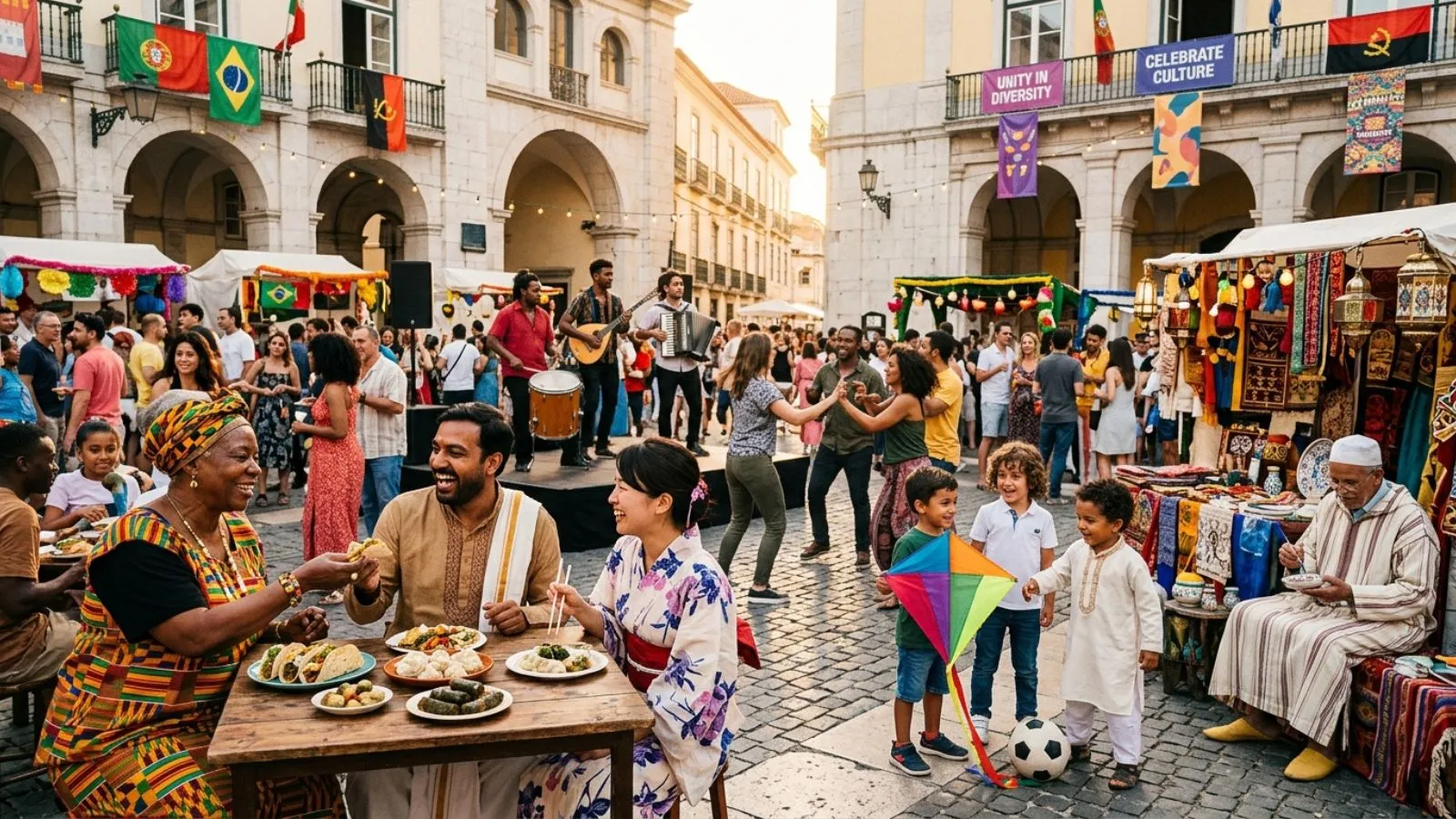
When I first moved to a new city, I experienced a completely different way of life. The traditions, language, food, and daily habits were unlike anything I had known before. At first, I felt confused and unsure about how to fit in. Then I realized that understanding a culture is much easier when we compare it to something familiar.
That is why I became interested in finding a simile for culture. I started thinking of culture as a garden where different flowers grow together, each adding its own beauty and color. This simple comparison helped me appreciate diversity and respect different perspectives.
Instead of judging what was unfamiliar, I learned to see value in every custom and tradition. Through this experience, I discovered that a simile for culture can make complex ideas easier to understand and connect with. It helped me build stronger relationships and develop a deeper appreciation for the people around me.
20 Similes for Culture
1. Culture Is Like a River Flowing Through Time
Meaning: Culture passes from one generation to the next.
Explanation: Just as a river keeps moving, culture continues through history.
Example Sentences:
- Their traditions were like a river flowing through time.
- Culture is like a river flowing through time, carrying stories from the past.
2. Culture Is Like the Roots of a Tree
Meaning: It provides support and identity.
Explanation: Roots help a tree grow strong, just as culture shapes people.
Example Sentences:
- Culture is like the roots of a tree that keep communities grounded.
- Our heritage is like the roots of a tree.
3. Culture Is Like a Tapestry
Meaning: Made of many connected parts.
Explanation: Different traditions and beliefs come together to form a whole.
Example Sentences:
- Society is like a tapestry woven from many cultures.
- Culture is like a tapestry filled with colorful threads.
4. Culture Is Like a Family Recipe
Meaning: Passed down through generations.
Explanation: Both culture and recipes preserve traditions.
Example Sentences:
- Their customs were like a family recipe.
- Culture is like a family recipe shared across generations.
5. Culture Is Like a Bridge
Meaning: Connects people and communities.
Explanation: Culture helps people understand one another.
Example Sentences:
- Shared traditions are like a bridge between generations.
- Culture is like a bridge connecting the past and present.
6. Culture Is Like a Garden
Meaning: It grows and changes over time.
Explanation: Just as plants develop, culture evolves.
Example Sentences:
- Culture is like a garden filled with diverse ideas.
- Traditions grow like flowers in a garden.
7. Culture Is Like a Compass
Meaning: Provides direction and values.
Explanation: Culture often influences decisions and behavior.
Example Sentences:
- Culture is like a compass guiding communities.
- Their traditions acted like a compass during difficult times.
8. Culture Is Like a Quilt
Meaning: Many unique pieces form one whole.
Explanation: Different customs create a shared identity.
Example Sentences:
- The nation was like a quilt of cultures.
- Culture is like a quilt stitched together over time.
9. Culture Is Like a Living Storybook
Meaning: Full of stories and lessons.
Explanation: Culture preserves history and experiences.
Example Sentences:
- Their heritage was like a living storybook.
- Culture is like a living storybook passed through generations.
10. Culture Is Like a Melody
Meaning: It brings people together.
Explanation: A melody combines different notes into harmony.
Example Sentences:
- Culture is like a melody that unites communities.
- Traditions flowed like a melody through the village.
11. Culture Is Like a Lighthouse
Meaning: Guides people through change.
Explanation: Culture offers stability and identity.
Example Sentences:
- Their heritage was like a lighthouse during uncertain times.
- Culture is like a lighthouse for future generations.
12. Culture Is Like an Ancient Oak Tree
Meaning: Strong, enduring, and deeply rooted.
Explanation: Culture often survives for centuries.
Example Sentences:
- Their traditions were like an ancient oak tree.
- Culture is like an ancient oak tree standing through time.
13. Culture Is Like a Mosaic
Meaning: Many unique parts create beauty together.
Explanation: Diversity strengthens culture.
Example Sentences:
- Society is like a mosaic of cultures.
- Culture is like a mosaic made from countless experiences.
14. Culture Is Like a Flame Passed From Candle to Candle
Meaning: Shared and preserved over time.
Explanation: Culture continues when people pass it on.
Example Sentences:
- Traditions spread like a flame passed from candle to candle.
- Culture is like a flame shared between generations.
15. Culture Is Like a Treasure Chest
Meaning: Filled with valuable knowledge and traditions.
Explanation: Cultural practices often hold great value.
Example Sentences:
- Their heritage was like a treasure chest of wisdom.
- Culture is like a treasure chest waiting to be explored.
16. Culture Is Like a Map
Meaning: Helps people understand where they come from.
Explanation: Culture provides a sense of identity.
Example Sentences:
- Culture is like a map of our shared history.
- Traditions acted like a map to their roots.
17. Culture Is Like a Thread Weaving People Together
Meaning: Creates unity and connection.
Explanation: Shared customs strengthen communities.
Example Sentences:
- Culture is like a thread weaving people together.
- Festivals worked like a thread connecting neighbors.
18. Culture Is Like the Seasons
Meaning: Constantly changing while remaining familiar.
Explanation: Culture evolves over time.
Example Sentences:
- Culture is like the seasons, always changing.
- Traditions adapted like the seasons.
19. Culture Is Like a River Delta
Meaning: Expands and branches into many forms.
Explanation: Culture develops in different directions.
Example Sentences:
- Modern culture is like a river delta.
- Ideas spread like a river delta across regions.
20. Culture Is Like the Heart of a Community
Meaning: Essential to identity and connection.
Explanation: Culture gives life and meaning to a group.
Example Sentences:
- Culture is like the heart of a community.
- Their traditions were like the heart of the village.
Practical Exercise: Test Your Understanding
Questions
- Complete the simile: Culture is like the roots of a ________.
- Which simile suggests that culture connects people?
- What does “culture is like a river flowing through time” mean?
- Complete the sentence: Culture is like a flame passed from ________ to candle.
- Which simile represents diversity coming together?
- What does “culture is like a compass” suggest?
- Complete the simile: Culture is like the heart of a ________.
- Which simile emphasizes cultural growth and change?
- Complete the sentence: Culture is like a treasure ________.
- Which simile would best describe traditions passed from generation to generation?
Answers and Explanations
- Tree culture provides support and identity.
- Culture is like a bridge it connects people.
- It means culture continues through generations.
- Candle traditions are passed from person to person.
- Culture is like a mosaic many parts create one whole.
- It suggests guidance and direction.
- Community culture is central to identity.
- Culture is like a garden it grows and evolves.
- Chest culture contains valuable traditions and knowledge.
- Culture is like a family recipe it is shared across generations.
Conclusion
Culture shapes how people live, connect, and understand the world. Using similes is a powerful way to describe its importance, beauty, and influence. Instead of simply saying culture is important, you can compare it to a river flowing through time, the roots of a tree, or the heart of a community.
The examples of similes in this guide show how creative comparisons can make complex ideas easier to understand and more memorable. Practice using these simile sentences in your own writing, and try creating original comparisons that reflect your experiences. The more you use similes, the richer and more engaging your writing will become.
Discover More Post
- Simile for Another Powerful Strategy for Better Outcomes
- Best Similes for Opposites in Writing and Speech
- Powerful Simile for Free to Boost Your Creativity

I am a writer inspired by Percival Everett, bringing originality and depth to every piece I create. Through my platform, Similiestic.com, I deliver expert-level content that reflects creativity, precision, and a strong command of my craft.