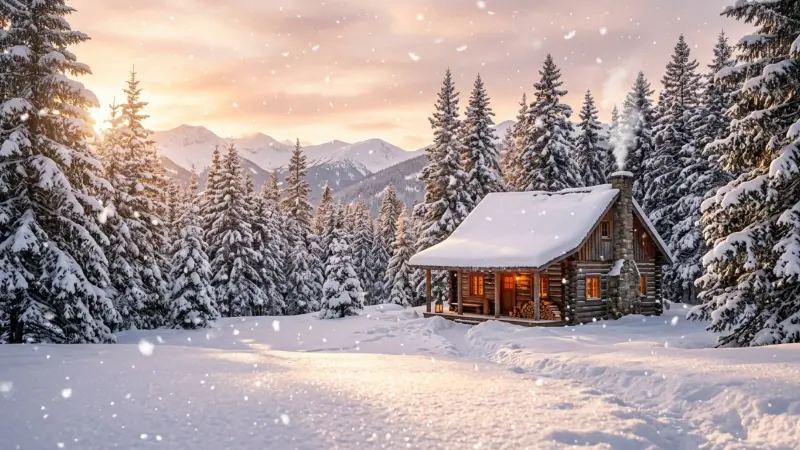
I still remember the day when I had to write a paragraph about snowflakes, and I got completely stuck. My teacher asked me to give an example of a simile for snowflakes, but I had no idea where to start. I kept thinking about different comparisons, yet nothing sounded creative enough. After spending some time observing pictures of falling snow, I realized that the best ideas often come from simple moments.
I wrote, “Snowflakes are like tiny feathers floating from the sky,” and suddenly everything became much easier. That small step gave me the confidence to create more beautiful similes and improve my writing.
Since then, whenever someone asks me to give an example of a simile for snowflakes, I remember how I solved my own problem. In this guide, I’ll share the same easy method with you so you can write creative and meaningful similes with confidence.
20 Examples of Similes for Snowflakes
1. Snowflakes floated like feathers.
Meaning: They fell gently and softly.
Explanation: This simile compares the light movement of snowflakes to feathers drifting through the air.
Example Sentences:
- Snowflakes floated like feathers across the quiet street.
- The flakes landed like feathers on my jacket.
2. Snowflakes sparkled like diamonds.
Meaning: They shined brightly.
Explanation: Fresh snow often reflects sunlight and glitters beautifully.
Example Sentences:
- The snowflakes sparkled like diamonds in the morning sun.
- Every branch glittered as the snow shined like diamonds.
3. Snowflakes danced like tiny ballerinas.
Meaning: They moved gracefully through the air.
Explanation: The swirling motion of snow resembles elegant dancers.
Example Sentences:
- Snowflakes danced like tiny ballerinas outside my window.
- The wind made the flakes twirl like graceful dancers.
4. Snowflakes drifted like floating leaves.
Meaning: They moved slowly through the air.
Explanation: Both leaves and snowflakes fall with gentle motion.
Example Sentences:
- Snowflakes drifted like floating leaves in the breeze.
- They slowly settled like autumn leaves.
5. Snowflakes were as soft as cotton.
Meaning: They felt gentle and fluffy.
Explanation: Cotton is known for its softness.
Example Sentences:
- The fresh snow was as soft as cotton.
- The flakes rested softly as cotton on the ground.
6. Snowflakes fell like tiny stars.
Meaning: They looked bright and magical.
Explanation: Snowflakes can shine like stars under light.
Example Sentences:
- Snowflakes fell like tiny stars from the dark sky.
- The air sparkled with flakes like tiny stars.
7. Snowflakes fluttered like butterflies.
Meaning: They moved lightly and beautifully.
Explanation: Butterflies have gentle, graceful movements.
Example Sentences:
- Snowflakes fluttered like butterflies in the wind.
- They floated around us like white butterflies.
8. Snowflakes scattered like confetti.
Meaning: They spread everywhere.
Explanation: Confetti falls in celebrations just as snow spreads across the ground.
Example Sentences:
- Snowflakes scattered like confetti during the storm.
- The wind tossed the flakes like party confetti.
9. Snowflakes shimmered like pearls.
Meaning: They looked smooth and shiny.
Explanation: Pearls have a soft, beautiful glow.
Example Sentences:
- Snowflakes shimmered like pearls at sunrise.
- The snowy field glowed like a bed of pearls.
10. Snowflakes floated like tiny clouds.
Meaning: They appeared light and airy.
Explanation: Tiny clouds seem soft and weightless.
Example Sentences:
- Snowflakes floated like tiny clouds above the trees.
- The wind carried them like little clouds.
11. Snowflakes were as white as milk.
Meaning: They were extremely white.
Explanation: Milk is a common symbol of bright whiteness.
Example Sentences:
- The snowflakes were as white as milk.
- Fresh snow covered everything as white as milk.
12. Snowflakes drifted like flower petals.
Meaning: They fell gently and beautifully.
Explanation: Flower petals and snowflakes both create peaceful scenes.
Example Sentences:
- Snowflakes drifted like flower petals in spring.
- They floated gently like petals from a blossom.
13. Snowflakes twinkled like fairy lights.
Meaning: They sparkled brightly.
Explanation: Fairy lights create a magical glow.
Example Sentences:
- Snowflakes twinkled like fairy lights at night.
- Every flake glimmered like tiny lights.
14. Snowflakes landed like gentle kisses.
Meaning: They touched softly.
Explanation: This simile emphasizes tenderness.
Example Sentences:
- Snowflakes landed like gentle kisses on my face.
- The cold flakes felt like soft kisses.
15. Snowflakes swirled like dancers.
Meaning: They moved in circles gracefully.
Explanation: Strong winds make snow appear to dance.
Example Sentences:
- Snowflakes swirled like dancers in the storm.
- The flakes spun like dancers across the field.
16. Snowflakes gathered like blankets.
Meaning: They covered everything completely.
Explanation: Snow often creates a thick, protective layer.
Example Sentences:
- Snowflakes gathered like blankets over the hills.
- The yard disappeared beneath a blanket of snow.
17. Snowflakes glittered like silver.
Meaning: They reflected bright light.
Explanation: Silver shines with a cool, beautiful glow.
Example Sentences:
- Snowflakes glittered like silver beneath the moon.
- The frozen lake sparkled like polished silver.
18. Snowflakes drifted like tiny boats.
Meaning: They floated slowly through the air.
Explanation: The movement resembles boats gently moving on water.
Example Sentences:
- Snowflakes drifted like tiny boats across the sky.
- The breeze carried them like little boats.
19. Snowflakes fell like pieces of lace.
Meaning: They looked delicate and detailed.
Explanation: Snowflakes have intricate patterns like lace.
Example Sentences:
- Snowflakes fell like pieces of lace from the clouds.
- Every flake looked like delicate lace.
20. Snowflakes shimmered like crystals.
Meaning: They sparkled brilliantly.
Explanation: Ice crystals reflect light beautifully.
Example Sentences:
- Snowflakes shimmered like crystals in the sunlight.
- The snowy path glittered like crystal glass.
Practical Exercise: Test Your Understanding
Questions
1. Which word usually appears in a simile?
A. Because
B. Like
C. Although
2. Complete the sentence:
Snowflakes floated like ________.
3. Which sentence contains a simile?
A. Snow covered the ground.
B. Snowflakes danced like ballerinas.
4. Complete the sentence:
Snowflakes sparkled like ________.
5. True or False:
A simile compares two things using “like” or “as.”
6. Fill in the blank:
Snowflakes drifted like ________ petals.
7. Which simile describes softness?
A. Like diamonds
B. As soft as cotton
C. Like silver
8. Complete the sentence:
Snowflakes landed like gentle ________.
9. Which simile describes bright shining?
A. Like butterflies
B. Like crystals
C. Like blankets
10. Write your own simile beginning with:
Snowflakes are like…
Answers with Explanations
1. Answer:
B. Like
Explanation: Most similes use like or as to compare two things.
2. Answer:
Feathers
Explanation: Feathers fall slowly and gently, just like snowflakes.
3. Answer:
B. Snowflakes danced like ballerinas.
Explanation: It compares snowflakes to ballerinas using like.
4. Answer:
Diamonds
Explanation: Snow often sparkles brightly in sunlight.
5. Answer:
True
Explanation: That is the basic definition of a simile.
6. Answer:
Flower
Explanation: Flower petals fall softly, making a perfect comparison.
7. Answer:
B. As soft as cotton
Explanation: Cotton represents softness.
8. Answer:
Kisses
Explanation: This simile emphasizes a gentle touch.
9. Answer:
B. Like crystals
Explanation: Crystals sparkle brightly, just like fresh snow.
10. Sample Answer:
Snowflakes are like tiny feathers floating from the sky.
Explanation: There are many correct answers as long as they compare snowflakes using like or as.
Conclusion
Learning how to use similes in writing is one of the easiest ways to make your descriptions more vivid and memorable. If you’re writing a school assignment, a poem, a story, or simply practicing creative writing, similes help readers picture exactly what you mean. The examples of similes in this guide show how a simple comparison can turn an ordinary sentence into something much more engaging.
Now it’s your turn. Try creating your own similes by comparing snowflakes to objects, animals, or experiences that share similar qualities. The more you practice, the more natural and creative your writing will become. Soon, you’ll be using creative writing similes, meaningful comparisons, and expressive simile sentences with confidence in every piece you write.

I’m Stephen King, the mind behind similiestic.com where creativity meets expertise.
I take pride in my work, crafting ideas and content with skill, passion, and originality.